
The Power of Japanese Good Luck Charms
The Year of the Horse represents strength, independence, and endurance. It’s a time associated with action by moving decisively and pursuing goals with confidence. Rather than waiting for opportunities, this year emphasizes creating them through focus and determination.
In many cultures, moments of new beginnings are paired with symbols of good fortune. In Japanese culture, this takes the form of meaningful charms designed to attract luck, protection, and success—each with a specific purpose and intention.
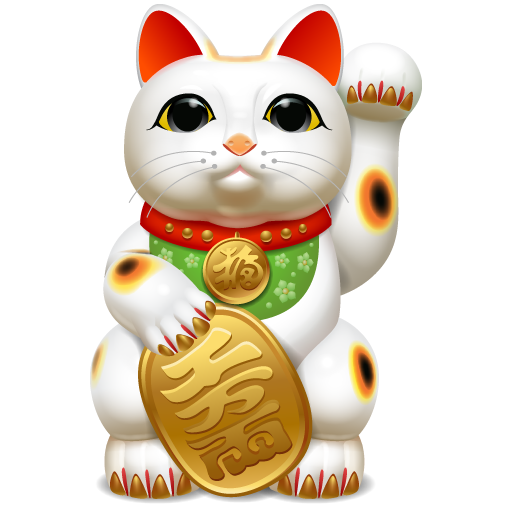
Maneki Neko: The Cat That Calls in Good Fortune 🐱
You’ve probably seen it—sitting in shop windows, waving endlessly with one raised paw. The Maneki Neko, or “beckoning cat,” is one of Japan’s most iconic symbols of luck and prosperity. But that raised arm? It’s not just cute! It's very intentional.
Left paw raised: Attracts people, customers, and opportunities. This is why you’ll often see left-pawed Maneki Neko in businesses and storefronts.
Right paw raised: Invites money, wealth, and financial luck.
Both paws raised: Extra protection and abundance—but some say it’s also a reminder not to get too greedy 😉
Color matters too:
Gold for wealth and success
White for purity and happiness
Black for protection against bad luck
Red for health and vitality
In true Horse-year fashion, Maneki Neko reminds us that opportunity doesn’t just appear—you have to call it in.
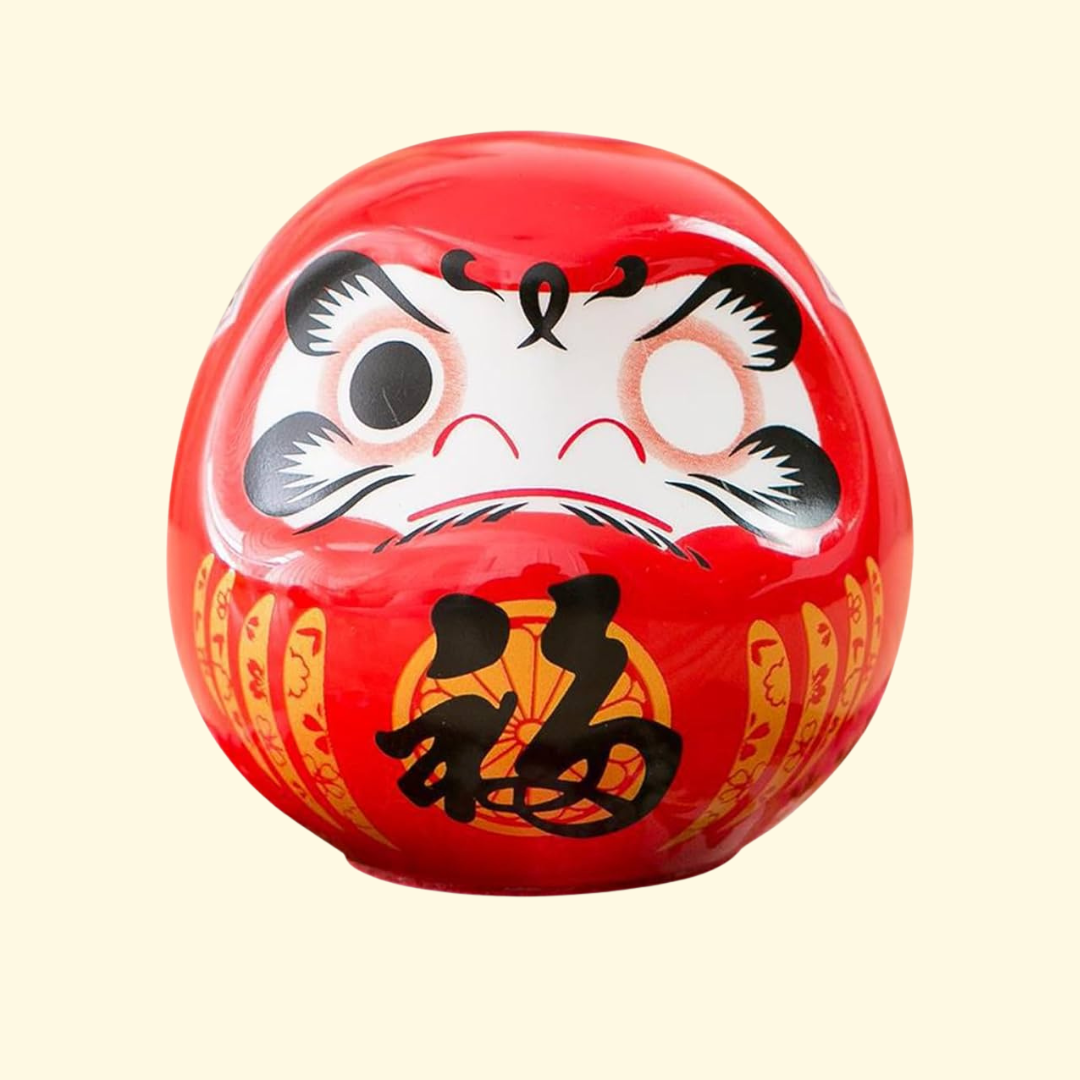
Daruma: Resilience, Focus, and Never Giving Up 🔴
The Daruma doll is a traditional Japanese symbol of perseverance and goal-setting. Often referred to as a “tumbler doll,” Daruma is designed to always return to an upright position when knocked over. This physical trait represents resilience—the idea of falling down and getting back up, no matter how many times it takes.
Here’s how it works:
You set a goal or intention.
You color in one eye.
When the goal is achieved, you color in the second eye.
Daruma dolls are commonly used to mark personal goals. When setting an intention, one eye is filled in. The second eye is completed once the goal has been achieved which serves as a reminder of commitment and focus.
While the classic Daruma is red, different colors are associated with specific wishes:
Red: Good luck, protection, and overall success
Gold: Wealth, financial prosperity, and business success
White: New beginnings and fresh starts
Black: Protection against bad luck and obstacles
Pink: Love, relationships, and harmony
Green: Health, growth, and well-being
Daruma isn’t about luck falling into your lap—it’s about commitment, grit, and staying the course. Very on-brand for the Year of the Horse, Daruma encourages steady progress, resilience, and finishing what you start.
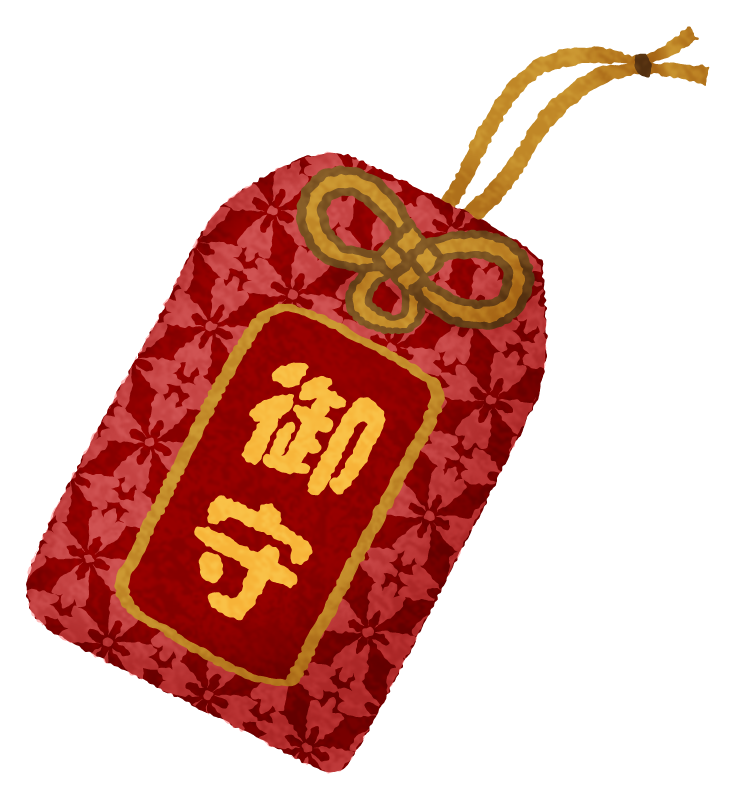
Omamori: Personal Protection You Can Carry With You 🎐
Omamori are small fabric amulets sold at Shinto shrines and Buddhist temples, designed to offer protection and blessings. Unlike general symbols, omamori are deeply personal because you can choose one based on what you need most.
Common types include:
Health & healing
Safe travel
Success in studies or career
Love and relationships
Protection from misfortune
They’re meant to be carried with you—in a bag, in a wallet, or kept close—serving as a quiet companion offering reassurance and spiritual support. Think of omamori as gentle guidance rather than flashy luck.
Moving Forward with Purpose
The Year of the Horse calls for moving forward despite hurdles or challenges that may occur in the new year. Whether it’s Maneki Neko calling in an opportunity, Daruma keeping you focused and resilient, or Omamori offering protection along the journey, Japanese good luck charms complement that energy.
Together, they remind us that luck isn’t just something we wait for because it’s something we strive for. As we move forward this year, may we do so with strength and intention just like the horse 🧧✨